Real Form or Just a Lucky Run? How to Read Between the Lines in Australian Horse Racing

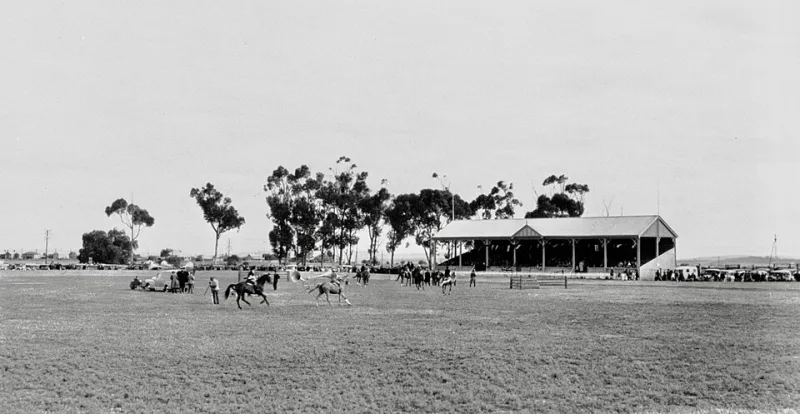
Photo: Yourusernamewillbepublic2, CC0, via Wikimedia Commons
There's a particular kind of frustration that horse racing punters know all too well. You spot a horse coming off two or three impressive wins, the price looks right, you back it with confidence — and it runs like it's towing a caravan. Meanwhile, the horse you dismissed because it "only won a maiden at Wagga" runs a blinder at Randwick and pays $14.
The difference between genuine form and a statistical fluke is one of the most important concepts in racing, and it's one that the majority of punters never fully get their heads around. Let's break it down properly.
What "Form" Actually Means — and What It Doesn't
When most punters talk about a horse being "in form," they're usually referring to recent results. Won last start? Looks good. Won the last three? Must be flying. But results alone are a dangerously incomplete picture.
True form is about how a horse is performing relative to its ability and competition level — not just whether it's winning. A horse that's been winning against weaker fields in provincial races and is now stepping up to city grade isn't necessarily in better form; it's just been competing at a level below its rating. The wins look impressive on paper, but they don't tell you much about what the horse can do when the competition stiffens.
Conversely, a horse that's run three consecutive fourths in strong metropolitan races might be showing better form than its results suggest. If it's finishing within a length of the winner against top-grade opposition, that's a horse running consistently well — and one that's likely undervalued by punters who only scan the results column.
The Key Indicators of Genuine Improvement
So what should you actually look for? Here are the signals that tend to separate real form improvement from temporary noise.
Sectional times. This is probably the single most underused tool available to Australian punters. Sectional data — particularly the final 600 metres — tells you how a horse is travelling late in a race. A horse that's closing strongly in its final splits, even when finishing midfield, is often showing more genuine ability than the result indicates. Services like Racing and Sports and Punting Form publish sectional data for major Australian meetings, and it's worth the time to learn how to read them.
Class transitions. Watch how a horse performs when it moves up or down in class. A horse that wins a benchmark race convincingly and then runs well first-up in the next class is showing genuine progression. One that wins a maiden, then a benchmark 58, then gets smashed first-up in open company has simply been climbing the ladder — that's expected movement, not form improvement.
Weight adjustments. The handicapper is your enemy and your friend. When a horse wins and the handicapper reacts by adding significant weight, it's a signal that the race authority believes the performance was legitimate. But when a horse has been carrying light weight and is now stepping up — particularly mares carrying 54kg who suddenly face 57.5kg — the form lines need to be adjusted accordingly. Weight matters more in certain race types and distances, particularly over longer trips.
Track and barrier luck. This is where statistical flukes most commonly hide. A horse that's won its last two races from barrier one on a track that heavily favoured on-pace runners hasn't necessarily improved — it's been in the right place at the right time. Pull up the race replays and ask yourself: would this horse have won from barrier eight on a neutral track? If the answer is probably not, the form is unreliable.
Reading Trainer and Jockey Patterns
Australian racing is heavily influenced by trainer intent, and learning to read the signals is a genuine skill. When a trainer moves a horse from a provincial track to a Saturday city meeting, books a senior jockey, and adds blinkers for the first time, that's a combination of signals suggesting they believe the horse is ready to perform. Individually, each factor is interesting; together, they're meaningful.
Jockey bookings are similarly worth tracking. When a trainer replaces a regular rider with one of the country's top jockeys for a race that doesn't look particularly special on paper, there's often a reason. Trainers don't pay top-shelf jockey fees unless they think the horse has a genuine chance.
The Danger of Recency Bias
Here's the uncomfortable truth: most punters, including experienced ones, overweight recent results and underweight the broader form picture. A horse that won last week gets backed harder than one that ran second three weeks ago, even when the three-week-old run was objectively superior.
Recency bias is particularly dangerous in Australian racing because the carnival season sees horses racing frequently over short periods. A horse might win a race on a wet track when it happens to suit, then follow up on a firm track when conditions are less ideal — and punters back it again purely because it won last time. The track condition variable alone can account for several lengths in performance, and it's often glossed over in casual form analysis.
Building a More Reliable Form Picture
The punters who consistently find value before the market catches on tend to use a combination of approaches. They look at three to five runs rather than one or two. They adjust for class, track conditions, and weight. They check sectionals when available. And crucially, they ask not just "did this horse win?" but "how did it win, and against what?"
It's also worth keeping a simple record of your own assessments. When you identify a horse as genuine versus a fluke, note it down. Over time, you'll start to see which indicators you're reading correctly and which ones are leading you astray — and that kind of self-awareness is worth more than any single form tip you'll ever read.
Racing rewards the patient and the curious. The horses worth backing aren't always the ones everyone's talking about.